








Acne scars are a natural part of the body’s healing process, forming when the skin repairs itself after a breakout. While some acne scars fade over time, others may remain with pigmentation or texture, making them more noticeable compared to normal skin. The type of scar depends on how your body responds during healing; understanding the different types of acne scars and the best treatments available can help patients make informed choices about improving their skin’s appearance.
Understanding How Acne Scars Form
Acne scars form when the skin’s healing process after a breakout is disrupted or incomplete. Inflammatory acne, such as cysts and nodules, penetrates deep into the skin and damages collagen and surrounding tissue. As the body repairs itself, it may produce too little collagen, leading to a variety of scar formations. Even when the skin heals without indentation, lingering inflammation can trigger excess melanin production, causing post-inflammatory hyperpigmentation, flat dark spots that can remain long after the blemish has cleared.
Treatment Therapies For Common Types of Acne Scars
Boxcar Scarring
Boxcar scars are broad, shallow-to-medium depressions in the skin with well-defined edges. They occur when inflammatory acne (like cysts or nodules) damages collagen and the deeper layers of skin. As the body heals, it can’t fully regenerate the lost tissue, leaving behind indented marks. Effective therapies used to treat boxcar scar tissue include:
These therapies stimulate collagen production to smooth the surface and blend the scar with normal skin.
Ice Pick Scarring
Ice pick scars are narrow, deep acne scars that look like tiny holes or enlarged pores. They form when a severe acne lesion penetrates deep into the skin and destroys tissue. The skin heals from the bottom up, but not enough collagen is produced to fill the space, leaving a deep pit. Because of their depth, they usually do not respond well to surface treatments alone.
The most effective option is TCA Cross, where a chemical solution is applied directly into the scar to rebuild collagen fibers and reduce the depth of the scar over time.
Rolling Scars
Rolling scars appear as broad, wave-like depressions with sloping edges. They develop when fibrous bands form between the skin and deeper tissues after acne heals. These bands pull the skin downward, creating uneven texture. Rolling scars are more common after long-term inflammatory acne. Options that can help release tethered tissue and stimulate healing include:
- Erbium laser resurfacing
- Chemical peeling
- Microneedling
- RF microneedling (Morpheus8)
Post Inflammatory Hyperpigmentation (Post Acne Dark Spotting)
Unlike textured acne scars, post-inflammatory hyperpigmentation is a discoloration. After inflammation from acne, the skin produces excess melanin (pigment) as part of the healing response. This leaves behind flat, brown, red, or purple spots where acne once was. They usually fade over time, but proper treatments can speed up the process and even out the skin tone, such as:
- Chemical peels
- IPL (intense pulsed light)
- Prescription-strength hydroquinone topical treatment
Prevention Strategies
Preventing acne scars starts with managing breakouts early and reducing inflammation before lasting damage occurs. Consistently following a gentle skincare routine with non-comedogenic products, cleansing twice daily, and avoiding harsh scrubbing can help minimize irritation.
It’s important to avoid picking, squeezing, or popping pimples, since this worsens inflammation and increases the risk of scarring. Using topical treatments such as retinoids, salicylic acid, or benzoyl peroxide (as recommended by a dermatologist) can help control acne and promote healthy skin turnover.
Daily sunscreen use is also essential, as UV exposure can darken post-inflammatory hyperpigmentation and make scars more noticeable. For those prone to more severe breakouts, seeking professional care early can significantly reduce the chances of permanent scarring.
When to Seek Professional Help for Scar Treatment
Acne scar treatment is not one-size-fits-all; the right plan depends on the type of scarring, the area of the body, and how the scar tissue responds to therapy. At Keller Aesthetics, our team’s customized treatment approach helps patients achieve smoother, healthier-looking skin with results that often improve over time. Schedule a consultation today to discover the best acne scar treatment options for you.
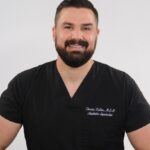
Travis Keller, Medical Esthetician
Travis Keller, a board-certified medical esthetician and cosmetic laser practitioner based in Atlanta, has more than 20 years of experience specializing in advanced facial rejuvenation, cosmetic laser treatments, and non-invasive body contouring. Renowned for his precise eye for detail and compassionate approach, Travis combines cutting-edge technology with holistic and medical-grade therapies to deliver natural, transformative results. His expertise includes customized facial therapies using his signature layering technique, skin tightening, and body contouring with an array of best-in-class devices. A true innovator in aesthetic artistry, Travis continues to redefine non-surgical treatments through personalized care and exceptional outcomes that inspire lasting confidence.